


When it comes to producing artificial surfaces for sport and leisure, Playrite emerges as one of the UK’s top manufacturer’s in the industry. With a legacy of innovation, precision engineering, and a commitment to quality, Playrite excels as the go-to choice for artificial sports surfaces. Check out why Playrite stands out:
When it comes to producing artificial surfaces for sport and leisure, Playrite emerges as one of the UK’s top manufacturer’s in the industry. With a legacy of innovation, precision engineering, and a commitment to quality, Playrite excels as the go-to choice for artificial sports surfaces. Check out why Playrite stands out:
1. Expertise and Experience
With decades of experience, the Playrite team has a wealth of expertise that allows them to understand how to engineer surfaces for a diverse range of sports and leisure activities that exceed expectations, setting new standards of performance and durability. Moreover, our influence extends to a number of industry leaders who have benefitted from our training and teachings, now holding prominent positions within the sector.
2. Utilisation of Advanced Technology
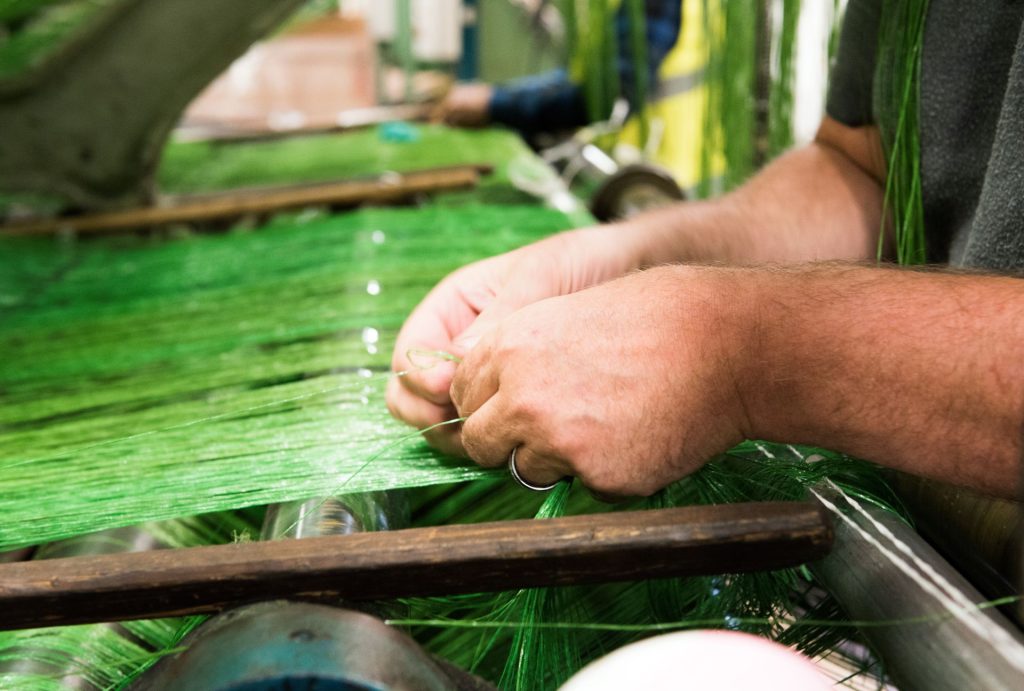
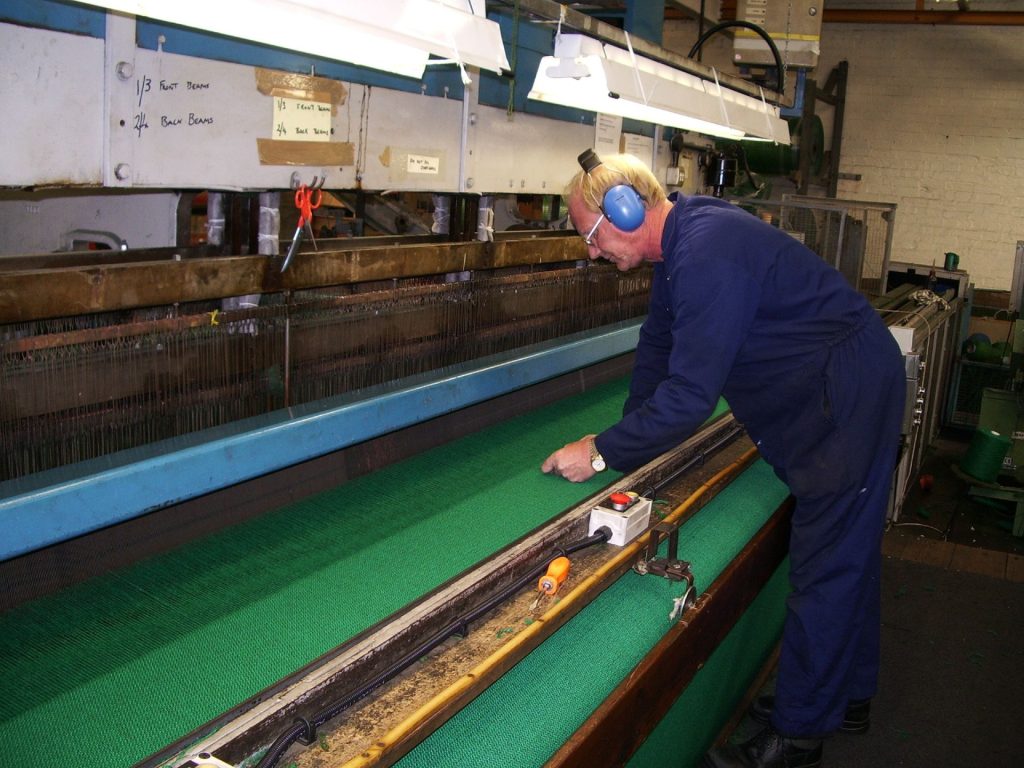
Playrite prides itself on ultilising production facilities that rival our competitors with manufacturing processes, materials, and techniques to create surfaces that deliver optimal performance, resilience, and safety. From advanced shock absorption systems to superior traction and ball response, every aspect of a Playrite surface is meticulously engineered to enhance the playing experience.
3. Quality and Warranties:
Quality is paramount at Playrite as such we offer a minimum 5 year warranty on all of our surfaces. Adhering to rigorous quality control standards, we ensure each surface meets our specifications for performance, consistency, and longevity, ensuring our surfaces withstand intense use, delivering unparalleled value and peace of mind to our customers.

4. Customisation and Versatility
Recognising that every sport and leisure activity has its own unique requirements, Playrite offers a wide range of customisable solutions tailored to meet the specific needs of our clients. Whether it's a professional sports facility, a community playground, or a multi-purpose recreational area, we have the expertise and flexibility to design and manufacture surfaces that perfectly align with our customers' vision and objectives.
5. Environmental Responsibility
Playrite is committed to implementing and eco-conscious practices (where possible), prioritising the use of recyclable materials, minimising waste generation, and reviewing energy-efficient manufacturing processes to reduce our carbon footprint.
In a competitive landscape crowded with options, Playrite stands out as a leader in manufacturing artificial surfaces for sport and leisure. With a legacy built on expertise and innovation, we continue to raise the bar and redefine the standards of excellence in our industry.
Discover the Playrite difference today and elevate your sporting and recreational experiences to new heights.